Good design fits the moment
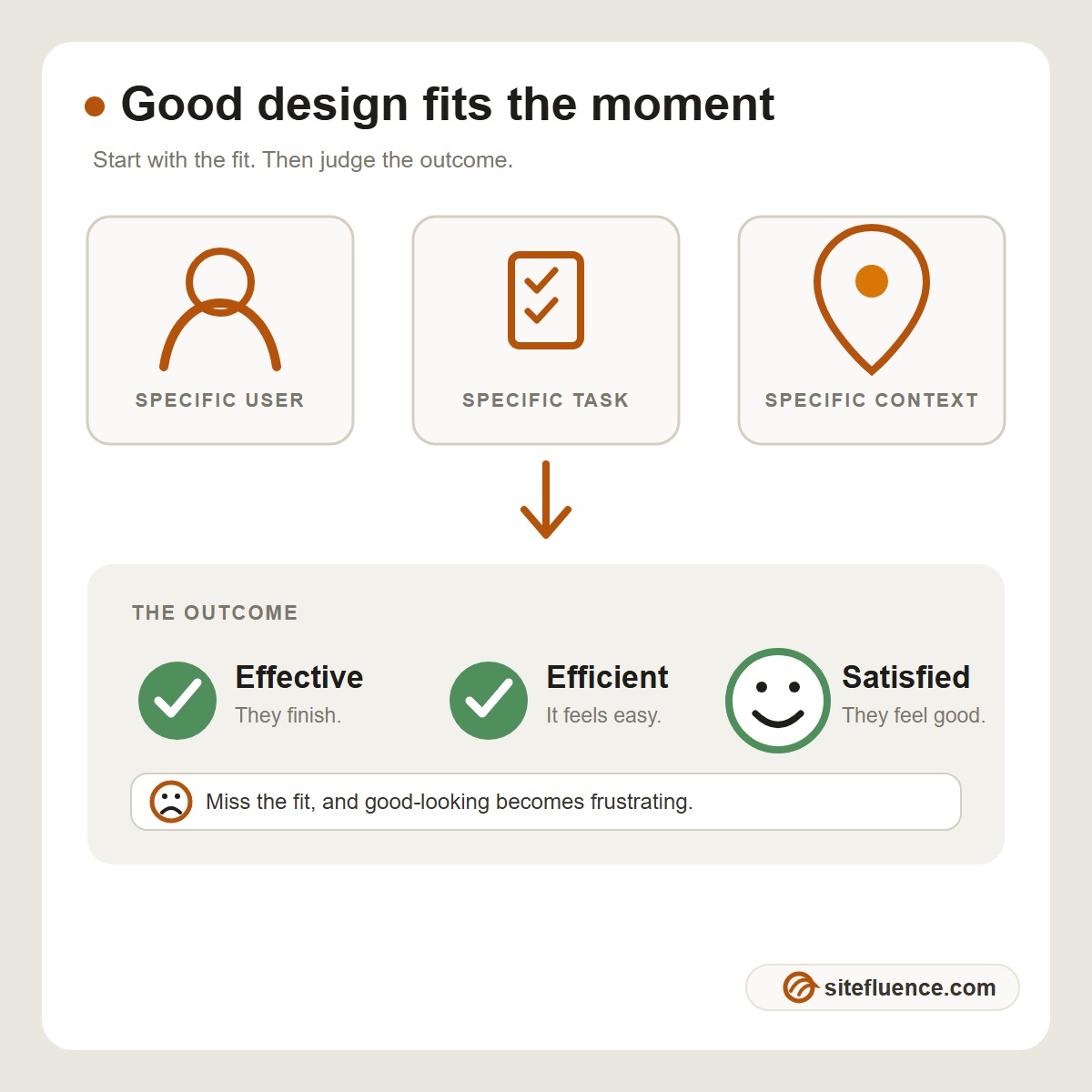
Good design is not a beauty contest. It starts with three specifics: who is using the product, what they need to do, and the context around them. Change any one, and the experience can change with it. A checkout that feels effortless at a desk may feel miserable on a phone, one-handed, with bad reception.
Three tests beat one opinion
A design works when the user can answer yes three times:
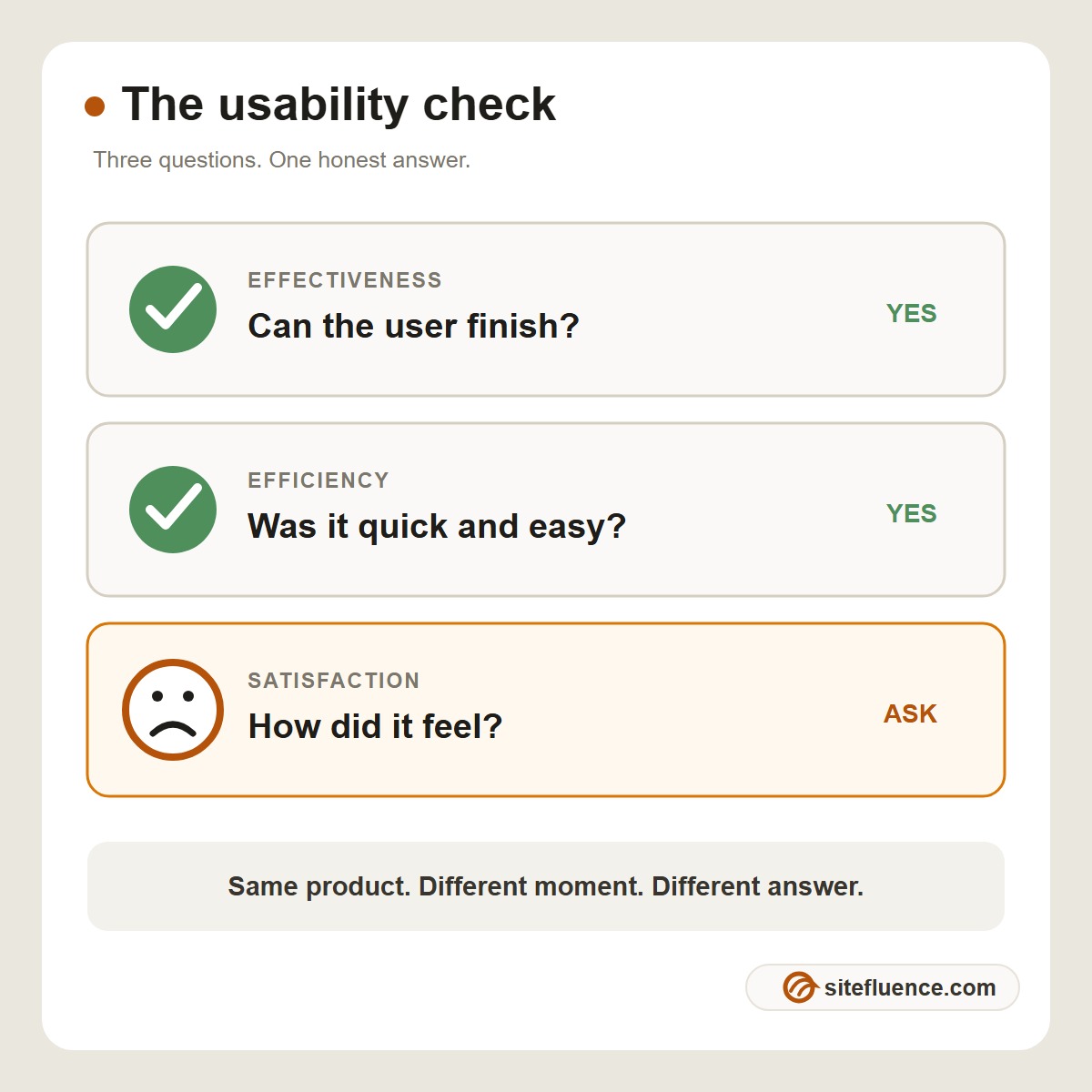
- Effectiveness: Can I finish the task?
- Efficiency: Can I finish quickly, easily, and without getting lost?
- Satisfaction: Do I feel good when I am done?
ISO 9241-11 treats usability as an outcome of use. In plain English, polish does not count if the experience fails the person using it.[1]
Pretty can still fail
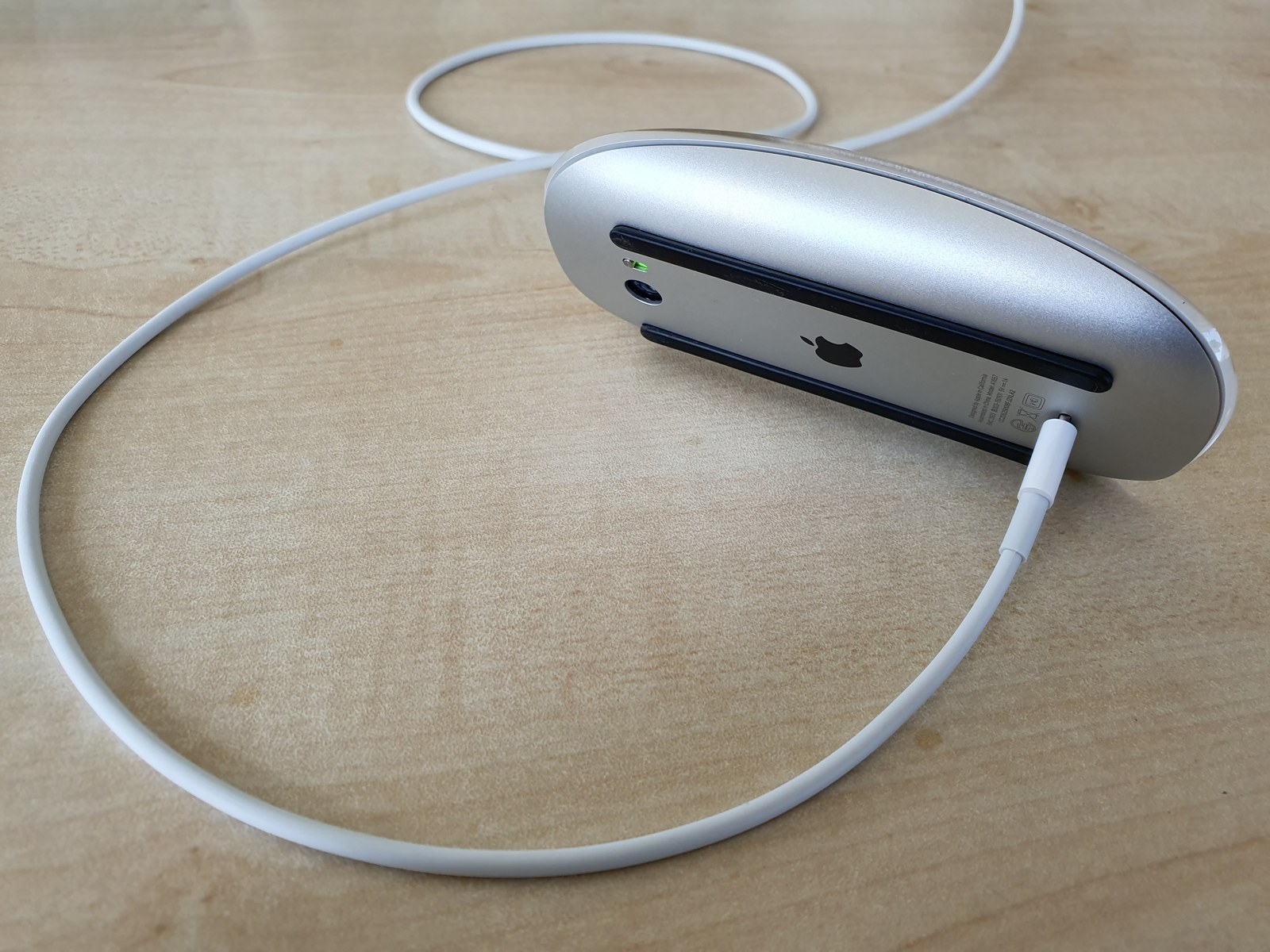
Apple's Magic Mouse works. It points, clicks, scrolls, and gets the job done, so it is effective. Most of the time, it is efficient too.
The problem appears when it needs charging. Because the port sits underneath, the mouse cannot work while plugged in, so that context is not satisfying.[2] The last thing a designer should do is defend the flaw with a made-up benefit like “take a break while it charges.” A break may be useful; an unusable mouse is still bad design.
Context decides the answer
There is no universally good interface. There is only a good fit for a particular person, task, and situation. That is why real design work starts before colours, buttons, and typography. It starts by understanding the moment the product must support.
What good design means at Sitefluence
At Sitefluence, good design means fitting the product to the person, the job, and the moment, then checking whether the experience is effective, efficient, and satisfying.
Where does your experience lose people? Show us the task, and we will map where the fit breaks.
Sources
[1] https://www.iso.org/standard/63500.html - ISO 9241-11:2018
[2] https://commons.wikimedia.org/wiki/File:Bad_design_-_Apple_Magic_Mouse_2,_unusable_when_charging.jpg - “Bad design - Apple Magic Mouse 2, unusable when charging,” Thomas Quine, CC0
